David
David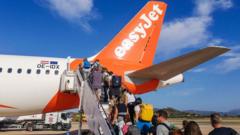
EasyJet has come under scrutiny for its £5.99 cabin bag fee after a watchdog body criticised the airline for what it deemed to be misleading advertising. The Advertising Standards Authority (ASA) received multiple complaints from consumers who claimed they were unable to find any cabin bags priced below that amount on EasyJet’s website.
The budget airline defended its pricing policy, stating that no cabin bags were available for less than £5.99 at the time of the investigation due to high demand and limited capacity. However, the ASA ruled that this did not negate the potential misleading nature of the fee. The watchdog body found that EasyJet’s claim “All cabins can accommodate a small cabin bag free of charge” was not clear enough to consumers, as it failed to mention the £5.99 fee for larger bags.
The ASA further stated that while the fee may only apply to some passengers and not all, this did not excuse EasyJet from being transparent about its pricing structure. The authority demanded that EasyJet make clear on their website and in advertising materials that a separate charge applies for larger cabin bags. The ruling comes as part of ongoing efforts by the ASA and other regulatory bodies to ensure accurate and clear communication between businesses and consumers, particularly in the travel industry where hidden fees can add significantly to final prices.
This is not the first time EasyJet has faced criticism over its pricing practices. In 2018, the airline was forced to apologise and offer refunds to passengers after it emerged that some fares included charges for airport taxes that were already paid in advance by travellers. The incident led to widespread frustration among customers who felt they had been misled about the true cost of their flights.
EasyJet has not yet issued a response to the ASA’s ruling, but it is expected that the airline will comply with the demand for clearer pricing information in order to avoid further scrutiny and potential reputational damage. The incident serves as a reminder to businesses operating in competitive industries to prioritise transparency when communicating with consumers, particularly when it comes to fees and charges.
Background: EasyJet is a British low-cost airline that operates over 1,000 flights per day to more than 330 destinations across Europe. The airline has been known for its no-frills approach and affordability since it was founded in 1995. However, it has faced criticism in recent years over various aspects of its business model, including pricing practices and customer service.
The cabin bag fee controversy is the latest in a series of incidents that have raised concerns about EasyJet’s commitment to transparency and fairness towards customers. In 2016, the air
Discover more from jiveglow
Subscribe to get the latest posts sent to your email.