David
David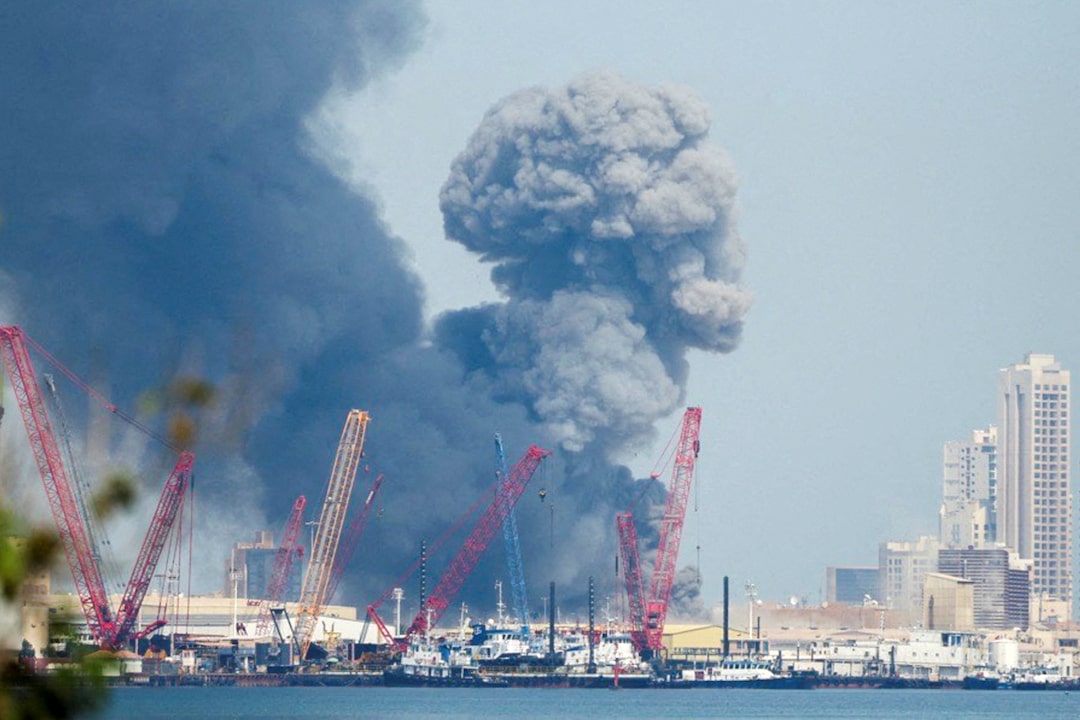
The Middle East is witnessing an unprecedented escalation as the conflict between Iran, the United States and Israel intensifies, drawing in the United Arab Emirates (UAE) and other regional actors. What began as a major military operation has quickly spiralled into a broader regional war affecting civilians, markets, air travel and diplomacy across the globe
The crisis escalated sharply after a large-scale coordinated strike by the United States and Israel on Iran earlier this week, targeting key Iranian military installations and leadership figures. This offensive, which the U.S. dubbed Operation Epic Fury, has reportedly killed Iran’s Supreme Leader Ayatollah Ali Khamenei and other senior commanders, according to multiple state and international media reports. Iran launched a series of ballistic missile and drone attacks across the Gulf Arab states and against Israeli territory, signalling a robust and retaliatory campaign. The government in Tehran has stated that its strikes are aimed at U.S. forces and allied infrastructure in the region following what it described as an unjustified assault on Iranian sovereignty.
Attacks on the UAE and Gulf States
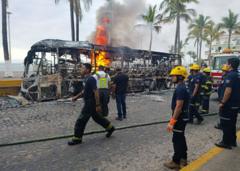
Iran’s campaign has directly impacted several Gulf nations that host U.S. military assets. In the UAE — including in and around Abu Dhabi and Dubai — ballistic missiles and drones were fired, resulting in civilian casualties and injuries, primarily among foreign workers, according to official tallies. the Gulf, nations including Bahrain, Kuwait, Qatar and Saudi Arabia also reported Iranian missile and drone activity, forcing emergency responses and civilian alerts.
Strikes on Israel and Hezbollah Engagement
Iranian missiles reportedly penetrated Israeli airspace, lighting up the skies over major cities and prompting widespread air defence alerts. In parallel, Hezbollah — the Iran-aligned militia in Lebanon — has fired rockets into northern Israel, further widening the conflict. Israeli forces have responded with targeted air strikes on Hezbollah positions, raising fears of a broader multi-front confrontation.Israel has also declared a state of emergency, mobilising tens of thousands of reservists and imposing strict security measures within its borders amid continued threats from Iranian proxy groups and direct missile fire.
Civilian Impact and Airspace Disruption
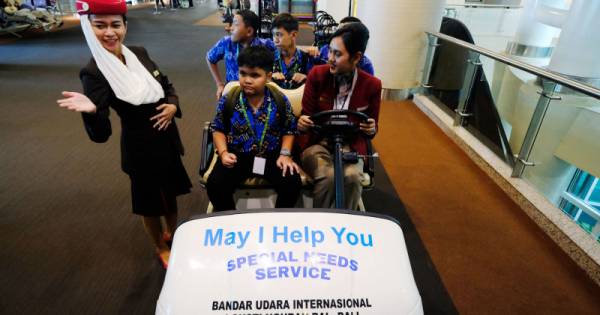
Civilians across the region are facing the harsh realities of the war. Major airports in the UAE, such as Dubai International and Sharjah, have seen wide-scale flight cancellations and advisory warnings due to airspace closures and security threats. Travel disruption has extended to global routes, with international carriers adjusting schedules and issuing advisories for passengers bound for the Middle East.
Economic Shock
The conflict’s fallout has hit financial markets hard. Trading on the Abu Dhabi Securities Exchange and the Dubai Financial Market was suspended for multiple days as investor confidence faltered amid rising tension and uncertainty over the regional outlook. oil shipping routes including the Strait of Hormuz remain elevated risk zones, prompting some traders to reroute vessels and spiking energy prices on global markets.
Global Reactions and Diplomatic Pressure
The international community is alarmed. Several Gulf states, alongside the United States, have condemned Iran’s missile strikes as violations of sovereignty, issuing joint statements decrying the attacks. At the same time, diplomatic efforts and emergency discussions at the United Nations reflect urgent calls for de-escalation before the conflict spreads further. U.S. President Donald Trump has signalled that military operations may continue until objectives are met, even while diplomatic channels remain tenuously open for negotiation.

AI Content Analysis
This content has been analyzed for AI generation:
- AI Probability: 43.73%
- Confidence: medium
- Last Checked: 2 March 2026
Certify By Uncertify AI | AI Detecotor & AI Humanizer
Discover more from jiveglow
Subscribe to get the latest posts sent to your email.


 admin
admin