David
David
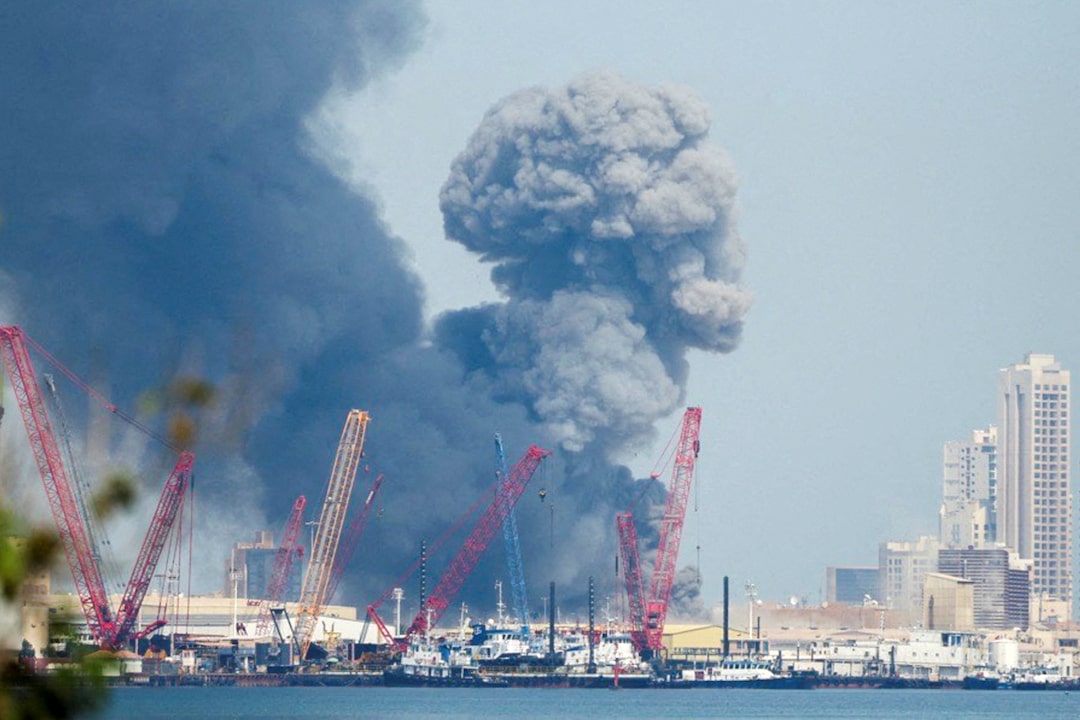
In a surprising development, former U.S. President Donald Trump recently suggested the possibility of military action against Iran in response to rising tensions in the Middle East. His statement came through social media, where he wrote that Iran appeared to be aggressively targeting Saudi Arabia, but he also hinted that the situation might be part of a larger strategic negotiation.
Trump’s message raised many questions. Was this a genuine warning of potential military action, or simply diplomatic pressure designed to gain leverage in negotiations with Iran? The statement left the international community uncertain about whether the United States was preparing for escalation or attempting to influence regional politics.
The policy implications of such a move are significant. If the United States were to strike Iran, it could dramatically reshape relations between Washington and Tehran while also destabilizing the wider Middle East region. Countries such as Israel and Saudi Arabia—both key regional allies of the United States—would likely respond strongly to any escalation. At the same time, Iran could react through military or proxy actions across the region, potentially triggering a wider conflict.
Beyond military considerations, there are also technological and regulatory implications. Modern warfare increasingly relies on advanced technologies such as drones, cyber operations, and precision-guided weapons. The United States military depends heavily on these systems for intelligence gathering, surveillance, and targeted operations. However, the use of such technologies also raises legal and ethical concerns, including questions about civilian casualties, privacy violations, and accountability under international law.
Public opinion within the United States is another critical factor. In recent years, American attitudes toward foreign wars have shifted noticeably. Many younger voters favor diplomacy over military intervention. Polling data suggests that support for military action against Iran is divided along political lines, with fewer Democrats supporting military engagement compared to Republicans and Independents. This political division could limit the government’s ability to gain widespread support for any escalation.
International reactions would also play an important role in shaping the outcome. Key European powers such as France, Germany, and the United Kingdom have often preferred diplomatic engagement with Iran rather than military confrontation. Their response could influence global diplomatic efforts and affect international cooperation.
Finally, the situation does not exist in isolation. Global issues such as North Korea’s nuclear ambitions, shifting alliances in Europe, and growing geopolitical competition with China add further complexity to the international environment. Any decision regarding Iran could therefore have consequences that extend far beyond the Middle East.
As tensions continue to evolve, the world is watching closely. Whether the statements represent serious military intent or strategic diplomacy remains uncertain, but the potential impact of any action against Iran would undoubtedly be significant for regional stability and global politics.
Discover more from jiveglow
Subscribe to get the latest posts sent to your email.