Europe Summer Atmospheric Pressure 2026 Triggers Historic Continental Heatwaves
Europe is experiencing an extraordinary summer season, driven by unprecedented atmospheric high pressure anomalies that have broken multiple historical temperature and climate records across the continent. Verified data from the Copernicus Climate Change Service confirms that Western Europe endured its hottest June on record, with land temperatures soaring 3.06°C above the 1991–2020 average.
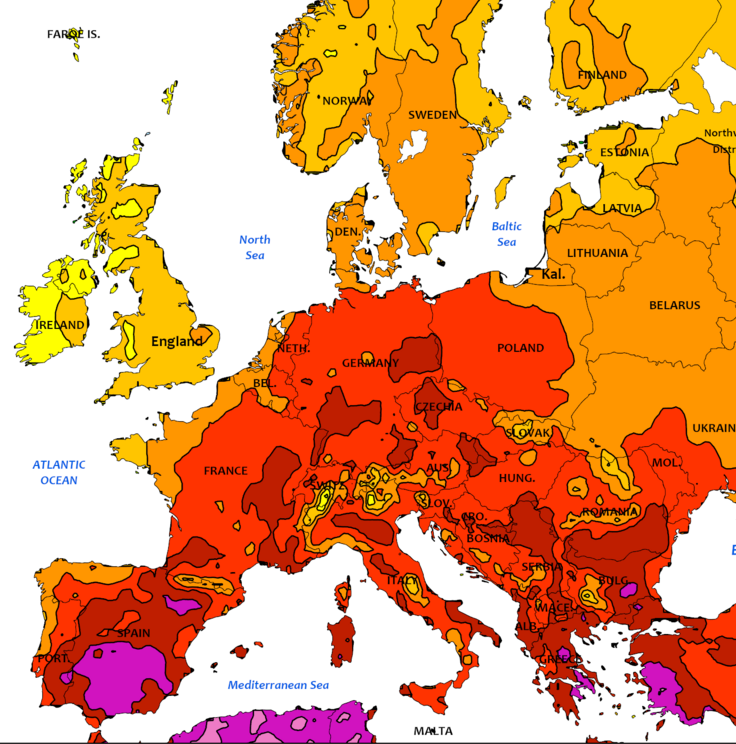
The primary catalyst for this crisis is a semi permanent atmospheric blocking mechanism known as an “Omega Block” which has created a devastating heat dome over large swaths of the continent.
Understanding Continental Weather Pattern Shifts In 2026
Honestly, watching how these stubborn weather systems lock into place feels less like traditional forecasting and more like a slow motion replay.The shifting dynamics of the jet stream and upper level atmospheric pressure have fundamentally altered Europe’s typical seasonal progression. Instead of mobile west to east weather fronts, static anti cyclonic patterns now dominate.
The 2026 summer has been defined by quasi stationary atmospheric blocking. High pressure systems trap warm air beneath them, actively compressing the air mass and warming it further through thermodynamic compression. This boundary layer prevents clouds from forming, allowing uninterrupted solar radiation to superheat the dry soil.
Furthermore, a highly pronounced jet stream division has split the continent into two severe weather faces. The Southwest and Mediterranean Front remains under constant high pressure, suffering from intense sunshine, historic droughts, and wildfire outbreaks.
Meanwhile, the Northern and Baltic Front is subjected to cloudy, unstable low pressure streams, resulting in cooler, rainier conditions resembling early autumn. Chronologically, the crisis began early when the first major heatwave hit on May 24, with several countries recording their first ever 35°C day in May. By June 25, extreme heat alerts peaked as over 380 million Europeans experienced daily maximums exceeding 30°C, while 101 million faced temperatures above 35°C.
Tracking Extreme Regional Temperature Updates And Hydrological Impacts
If you happened to be traveling across the continent during those weeks, the stark contrast between regions was nothing short of jarring.Meteorological stations across individual member nations recorded extreme spikes during the peak of the heat dome. In Germany, Coschen logged a staggering 41.7°C, breaking the national June record. The Budapest region in Hungary faced severe urban heat island strain with 40.7°C, while Portugal’s southern interior reached 44.0°C, triggering international aid requests. In the United Kingdom, southern England recorded 37.3°C with the earliest consecutive 35°C days on record, and the Netherlands hit a national high of 39.4°C, prompting widespread infrastructure warnings.
Those numbers on the map are staggering on their own, but the real story is how quickly everyday life ground to a halt under that kind of weight.Social media reactions and trending globally reported updates captured public alarm as the UK Met Office noted that the region achieved more days above 30°C than the entirety of the historic 1976 heatwave, tracking an unusual frequency of tropical nights where overnight temperatures failed to drop.
This intensity caused immense environmental collateral damage.Water scarcity quickly became the silent crisis that caught many local municipalities entirely off guard.The Po River in Italy reached critically low levels, drying up large sections of its bed. Additionally, high river temperatures restricted the cooling water discharge capacities of French nuclear power plants along the Rhône and Garonne rivers, limiting energy outputs, while severe agricultural soil moisture deficits concentrated in Spain, Italy, and the Central European plains.
Implementing Long Term Climate Adaptation Steps Across Member Nations
Looking back at how intense things got, it’s pretty clear that patching things up seasonally just isn’t going to cut it anymore.Because Europe is warming at approximately 0.56°C per decade more than double the global average governments and intergovernmental bodies are rapidly shifting from emergency response to structural climate resilience. Urban greening initiatives are underway, with cities like Paris expanding targeted urban forestry campaigns, creating oasis cooling locations, and installing public drinking fountains to curb urban heat island indices.
Labor reform regulations have also been enacted. Several southern European countries mandated changes to public and construction labor codes, introducing flexible or adjusted working hours to keep workers out of direct sunlight during peak thermal intensity between 12:00 PM and 4:00 PM. Driven by World Meteorological Organization warnings noting gaps in public protection, countries are rolling out synchronized warning networks targeting vulnerable demographics, including long term care residents, older adults, and unhoused people. Infrastructure toughening is also progressing rapidly, with rail networks coating lines with heat deflecting paint to prevent track buckling and civil engineers restructuring water reservoirs to counteract rapid evaporation rates under high atmospheric pressures.
Discover more from jiveglow
Subscribe to get the latest posts sent to your email.
