Singapore Economic Transformation History
Singapore gained independence in 1965. This critical moment came right after its sudden, painful expulsion from Malaysia. Its future looked incredibly bleak.
It’s hard to imagine now, but the reality back then was incredibly grim.The island was just an impoverished port with mass unemployment. To make matters worse, it had absolutely no natural resources, leaving the leadership with no economic hinterland to rely on. Survival was not guaranteed. The nation needed a massive, rapid change to avoid collapse.
Against all odds, the city-state transformed itself completely.
Through pragmatic governance, strategic planning, and aggressive investment, it grew into a high income global financial and tech hub. The Economic Development Board, established in 1961, led this industrialization. It successfully lured giant multinational corporations.
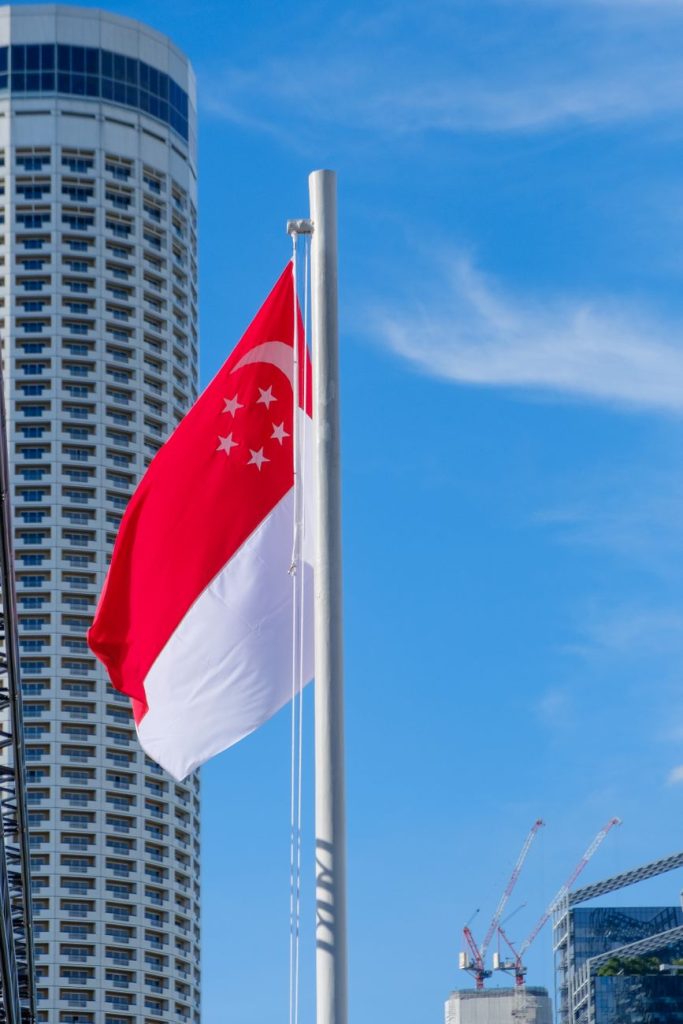
An Unexpected Journey From Poverty To Prosperity
Between 1968 and the 1970s, the government focused on labor intensive manufacturing, prioritizing textiles and basic electronics. Mass unemployment quickly disappeared.
What followed next was a massive shift that completely changed the daily lives of everyday citizens.This shift stabilized society. In the 1980s and 1990s, the economy transitioned to capital intensive sectors, such as pharmaceuticals and high value financial services. Today, the country is a global powerhouse.
It never stopped evolving.
Lee Kuan Yew Development Strategies
Of course, none of this happened by accident, it required a very specific type of leadership to pull it off.
Founding Prime Minister Lee Kuan Yew led this charge. He implemented structural policies, turning a volatile island into a safe, business friendly environment. Taxes were kept low. This administrative efficiency attracted massive foreign direct investment.
By building world class shipping hubs, outstanding aviation logistics, and an English speaking workforce, they secured a massive competitive edge. Western companies found a perfect home.
Building Social Cohesion Through Housing
Social order was vital. The Housing & Development Board moved citizens out of crowded slums. They built master planned, mixed ethnicity townships, which successfully minimized racial friction and created national pride.
Labor disputes were also resolved efficiently. Strikes virtually vanished. The government, labor unions, and private businesses worked together, creating a highly stable work environment.
This stability made investors feel incredibly safe.
Of course, this rapid growth came with clear trade offs, including strict social rules and an intense, highly competitive environment. Some citizens felt pressured. However, most saw the core benefits of wealth, safety, and modern infrastructure, making the compromise worthwhile.
How Singapore Became Global Financial Hub
This strategy proved to be a massive turning point, and the growth that followed was staggering.The banking boom began in 1971. The Monetary Authority of Singapore was formed to build a reliable, tightly regulated financial hub.
They chose unique monetary policies. The Singapore dollar remained strong and non internationalized, shielding the local economy from wild external speculation. Legal protections were absolute. Taxes on capital gains remained at zero.
As a result, global wealth poured into the tiny country, transforming it into a safe haven for international investors. Today, the financial sector is booming.
Policy Drivers That Built Trust
The numbers prove this. In 2004, managed assets were worth about $420 billion. Today, that figure has exploded to over $3.6 trillion, showing the immense trust global markets place in Singapore.
With over SGD 5.4 trillion in total assets under management, the island serves as headquarters to more than 7,000 multinational corporations. It is a financial titan.
Historical City State Planning Rules
But they didn’t just stop at finance; they had to completely rethink how they used their physical space too.
Land was always scarce. The entire country measures just over 700 square kilometers, requiring meticulous spatial management. Every inch had to count.
The state took charge of land ownership. The Urban Redevelopment Authority carefully coordinated all physical growth, ensuring no space was wasted. The landmark 1971 Concept Plan introduced the “Ring City” design. This layout included expressways and high speed transit.
Zoning And Sustainable Future Steps
Modern planning seamlessly blends high tech industry with green spaces, proving that density does not mean concrete jungles. The Jurong Lake District is a perfect example.
This hub sits outside the center. It reduces urban congestion. To secure its future, Singapore also integrates advanced agrotechnology zones, creating food security in a changing world.
By focusing on visionary planning and regulatory clarity, the country proves that physical limits can be overcome, offering priceless lessons for modern businesses.
Discover more from jiveglow
Subscribe to get the latest posts sent to your email.
